Articles
Self-rated poverty, hunger down in Q1 2024: OCTA
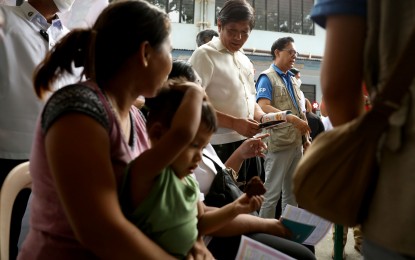
MANILA – A new OCTA Research survey found that fewer Filipino families rated themselves poor and hungry in the first quarter of 2024.
According to the Tugon ng Masa survey conducted from March 11 to 14, 2024, the country's self-rated poverty is at 42 percent, which is 3-percent lower compared to 45 percent recorded in a similar survey held in the fourth quarter of 2023.
Government pushes for single-digit poverty rate by 2028
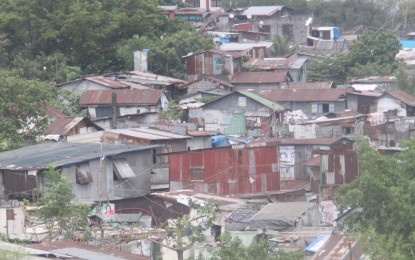
MANILA – The administration of President Ferdinand R. Marcos Jr. is doubling efforts to attain its single-digit poverty rate target by 2028. In his first State of the Nation Address in 2022, President Marcos vowed to bring down poverty to as low as 9 percent by the end of his term.
Latest data from the Philippine Statistics Authority (PSA) showed that the country's poverty rate already declined to 22.4 percent in the first half of 2023 from 23.7 percent in the same period in 2021.
The State of Poverty in the Philippines: What Are the Causes?
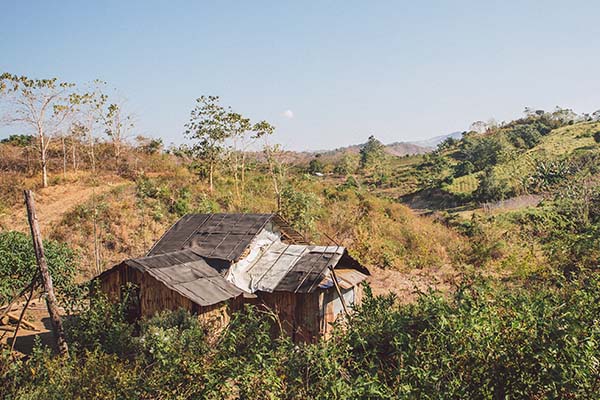
The Philippines and its roughly 117,000,000 people have struggled with income inequality for generations. Even as infrastructure and opportunity has improved in highly populated areas in recent decades, poverty in the Philippines, particularly for people living in remote areas, remains a serious issue.
Pandemic pushed millions more into poverty in the Philippines, government says
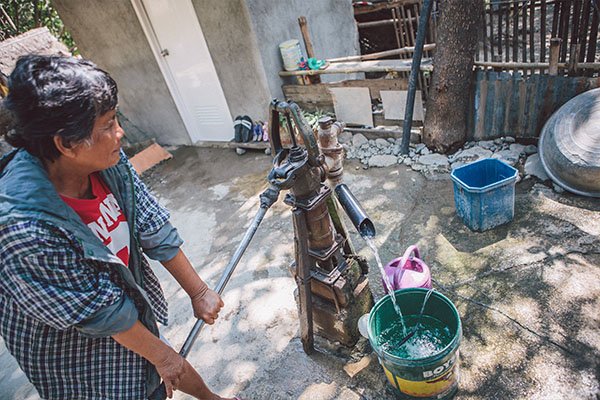
Recently inaugurated President Ferdinand Marcos Jr aims to slash the poverty rate to 9% by the end of his single six-year term in 2028 - a target that remains achievable despite soaring inflation, according to Economic Planning Secretary Arsenio Balisacan.
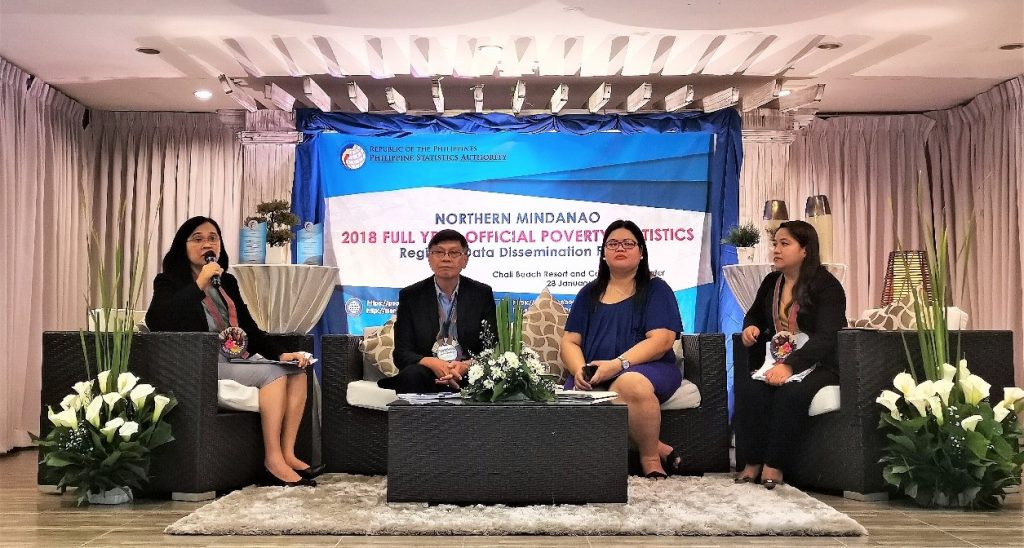
PH MAKES SIGNIFICANT PROGRESS IN POVERTY REDUCTION, SINGLE-DIGIT POVERTY RATE ACHIEVABLE BY 2028—NEDA
Despite experiencing domestic and external challenges, the Philippines has made remarkable strides in reducing poverty levels between 2021 and 2023, marking significant progress toward the governments ambitious target of reducing poverty incidence to a single-digit level by 2028, according to the National Economic and Development Authority (NEDA).

Increased Cost-of-Living Crisis Undermines Progress on Poverty Alleviation in Asia and Pacific
The increased cost-of-living crisis sparked by surging inflation last year, combined with the lingering effects of the COVID-19 pandemic, is continuing to push people in Asia and the Pacific into extreme poverty.
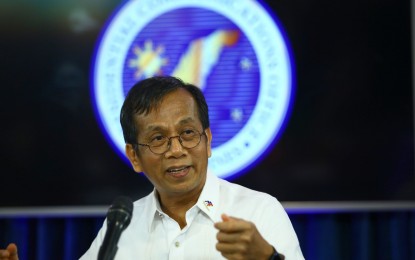
PH poverty rate declines to 22.4% in 1st half 2023
The country's poverty rate went down to 22.4 percent in the first half of the year from 23.7 percent in the same period in 2021.
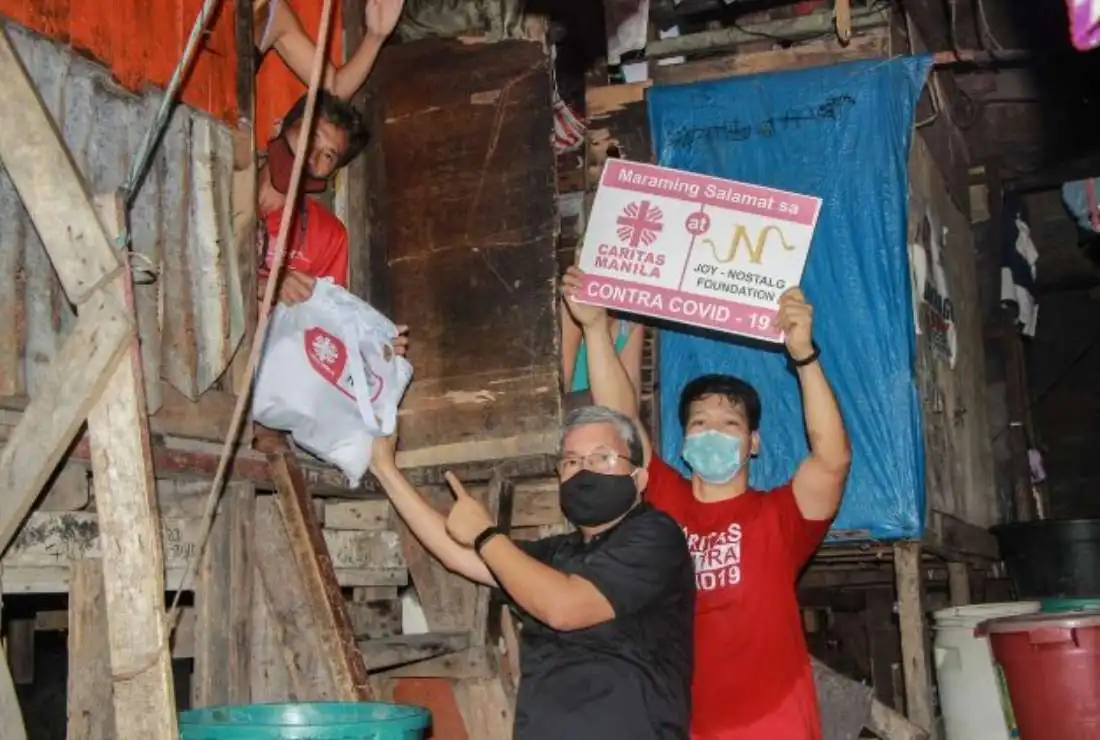
Surviving extreme poverty in the Philippines
Jose Toribio, a taxi driver in Manila, is up at five in the morning. He makes his cup of coffee and eats some pandesal, or salt bread, known as the “poor man’s bread” for being a cheap staple in the Philippines.
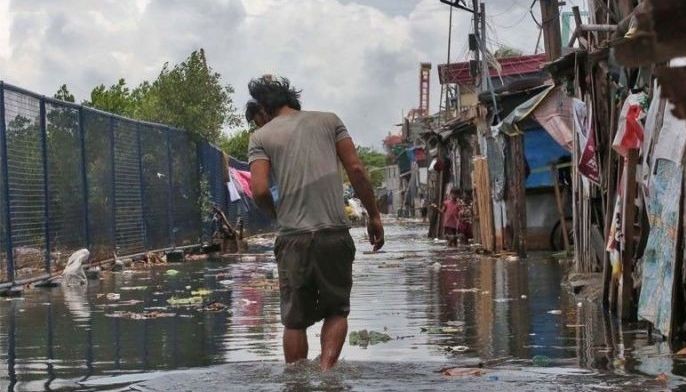
PHILIPPINES: Reducing Inequality Key to Becoming a Middle-Class Society Free of Poverty
Policies that support employment and workers, raise education quality and improve access, boost rural development, and strengthen social protection can reduce inequality, thus enhancing Filipino peoples’ chances for improving their well-being.